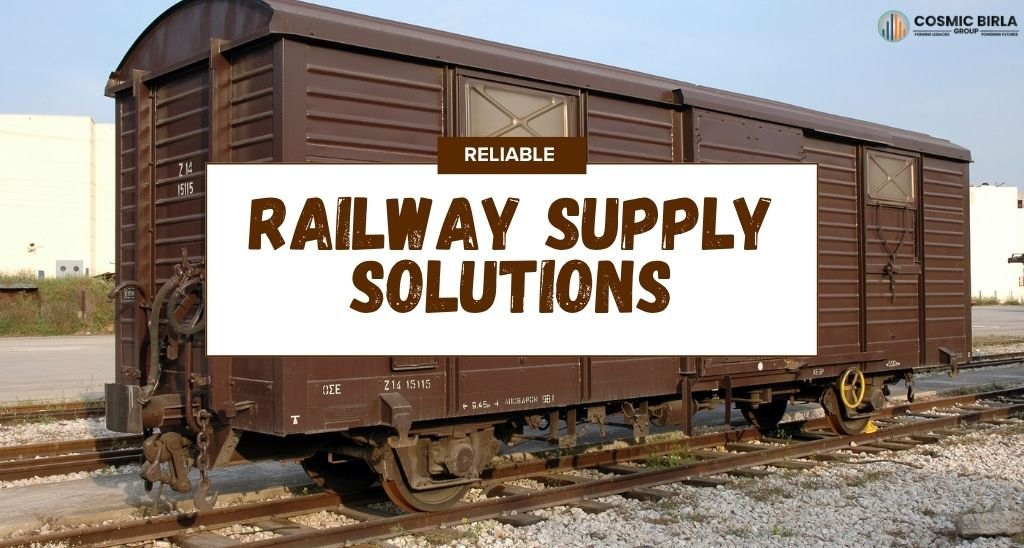
A railway component may pass inspection and still leave your team carrying extra work later.
You may receive a good part, yet still spend time chasing documents, clarifying drawings, checking repeat batches, or adjusting schedules around delayed updates.
Product quality deserves close attention, though it rarely carries the whole supply decision on its own.
Railway buying usually continues long after the first sample, the first approval, or the first dispatch. This is where the wider judgement begins.
Why Quality Alone Falls Short
Product quality stays central in railway supply, though buyers usually feel the full value of a supplier through repeat execution rather than through one acceptable item.
A good component helps at receipt and inspection, while a good supply relationship helps across planning, batch release, documentation, traceability, and downstream use in fabrication or assembly.
Rail-specific quality and supplier requirements already reflect that wider view, with attention extending to compliance, assurance, reliability, maintainability, and supplier readiness rather than final inspection alone.
Once you start reading the purchase through that larger frame, the buying decision becomes less about a part in isolation and more about how smoothly the supplier supports the whole programme.
What Buyers Usually Check Next
Delivery discipline often comes up quickly, because a sound product loses some of its value when schedules slip without clear updates or when release timing stays uncertain.
Documentation matters as well, especially when traceability, inspection records, test details, or approval-related papers need to move cleanly with the material. Technical understanding also deserves attention, since a supplier who reads the drawing, the use condition, and the fit-up context properly usually makes fewer avoidable errors later.
Buyers often watch batch repeatability for the same reason, because a reliable second and third order usually reveal more than a polished first lot. Response during change carries similar weight, as railway programmes often shift in timing, quantity, or coordination needs before completion.
These factors may look separate on paper, though they usually meet in one place: the amount of extra effort your team has to spend after the purchase order is placed.
Why These Factors Matter
These wider checks are important because railway supply touches more than stores receipt and part acceptance. Procurement needs suppliers who communicate clearly, inspection needs papers and traceability that arrive in order, and fabrication needs material that behaves as expected when it enters fit-up or assembly.
A buyer who looks only at surface quality may miss the hidden cost of weak follow-up, unstable repeat batches, or incomplete support around schedule changes.
This wider lens becomes even more useful in railway-facing industrial groups, where related businesses often serve different parts of the same supply chain.
Cosmic Birla Group operates across railway and engineering businesses that include CRF sections, wagon essentials, castings, and related industrial products, which makes this broader view of supply support especially relevant in practice.
Final Thoughts
The stronger railway buying decision usually comes from judging the full working cycle, not only the component that reaches your floor first. Quality still leads the discussion, though delivery steadiness, requirement understanding, documentation, traceability, and repeat performance often decide how easy the programme feels over time.
Those same realities stay close to the way our railway-facing businesses work across products and project conditions. If you’d like to explore what stronger supply support can look like beyond the part itself, contact us for a closer conversation.