Blog
What Procurement Teams Should Prioritize When Evaluating Railway Suppliers
Choosing railway suppliers requires more than comparing prices. Learn which operating signals deserve closer attention before you place an order.
Blog
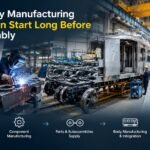
Why Railway Manufacturing Delays Often Start Long Before Final Assembly
Railway manufacturing delays often begin earlier than expected. Learn where schedule pressure starts before final assembly.

Blog
How EV Businesses Can Prepare for Demand Beyond Metro Cities
EV demand is expanding beyond metro cities. Learn how products, finance, service, and local expansion need to change.

Blog
How Electric Scooter Manufacturing Fits into India’s Two Wheeler Market Shift
Electric scooters are reshaping India’s two-wheeler market. Learn about how manufacturing is changing with them.

Blog
Why Sheet Pile Demand Is Rising in Infrastructure and Construction Projects
Sheet pile demand is rising as projects move into tighter sites and wet ground. See what is driving wider use.

Blog
Why EV Manufacturing Needs Local Vendor Development
EV manufacturing needs capable local suppliers to scale reliably. Here is how vendor development supports quality and supply.