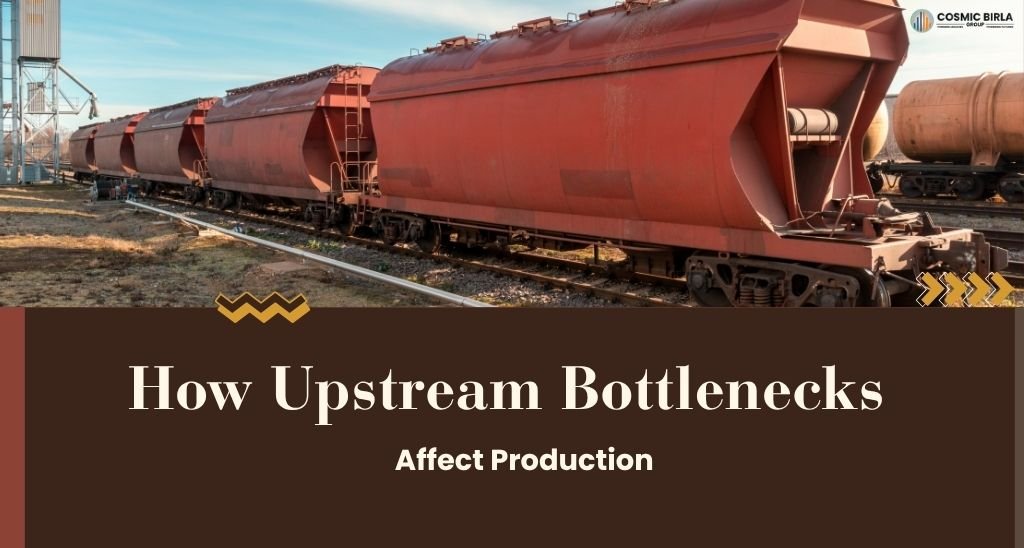
A missing input can change the tone of a production day faster than most schedules suggest. Material may be pending in one corner of the process, yet the pressure begins showing up somewhere else first in waiting labour, changed priorities, and work that can only move halfway.
What looks like a small upstream hold-up often starts pulling time and attention from several downstream activities at once. The delayed item may carry limited value on its own, though the disruption around it usually carries a much heavier cost. That shift is worth looking at more closely.
Why Delays Spread
Delays spread quickly because manufacturing runs in sequence, and each stage usually depends on the release of something earlier in the chain. When one upstream item arrives late, the effect moves into planning, material issue, machine loading, fit-up, and inspection rather than staying parked at stores.
A line that looked ready at the start of the shift may begin losing pace once one missing input blocks the next task from moving cleanly. You may still have manpower, machines, drawings, and floor space ready, while the missing item starts weakening the value of all of them together. This is why a small upstream gap can create a much larger downstream disturbance.
Where Losses Appear
Downstream losses usually appear in forms that look ordinary at first, while they carry real production weight once the shift progresses.
- Idle labour waiting for one missing input
- Machines or fixtures standing ready without full use
- Partial work-in-progress building up around incomplete assemblies
- Urgent follow-up and expediting effort pulling attention from planned work
- Inspection and dispatch slipping because one required item remains pending
- Output from the same shift falling below what the team could otherwise deliver
These losses rarely arrive as one dramatic event. They usually gather through small interruptions that reduce rhythm, compress the schedule, and make the whole production day harder to recover.
Why Cost Grows
The cost grows because the delayed item often carries less value than the work it holds back around it. A missing input may look manageable when viewed only through its own purchase price, while the larger loss begins building through lost shift output, repeated rescheduling, and extra coordination effort across departments.
Teams may still keep the day moving, while the work often becomes heavier through split batches, changed priorities, and recovery effort later in the cycle.
What looked like a supplier delay starts turning into a production loss, a planning loss, and sometimes a delivery loss at the same time. This is why upstream weakness often creates a wider manufacturing bill than buyers first expect.
Why Visibility Helps
Early visibility helps because delay becomes easier to contain before it starts travelling through every linked stage of production.
When your team gets a clearer view of readiness, release timing, batch movement, and likely hold-ups upstream, it becomes easier to protect the downstream schedule before losses begin multiplying. This isimportant in railway and engineering supply because many products move through related manufacturing steps before they reach final use, and one weak handoff can slow much more than one item.
Better visibility also gives procurement, planning, fabrication, and dispatch teams more room to adjust in a controlled way instead of reacting late under pressure. In practical terms, a clearer upstream picture often protects more output than a hurried downstream recovery effort.
Final Thoughts
The delayed item is rarely the full loss. The larger loss usually appears in the work that can no longer move around it, and that is why upstream discipline matters so much in manufacturing.
Once you start reading delays through output loss, schedule pressure, partial assemblies, and recovery effort, the issue looks much bigger than a late dispatch on paper. These realities stay close to our own industrial work as well, where railway-facing and engineering businesses handle sections, railway castings, and related inputs that depend on timely upstream movement to support smoother downstream execution. If this is something you are seeing in your own production cycle, contact us to discuss how stronger upstream visibility can support a steadier manufacturing flow.